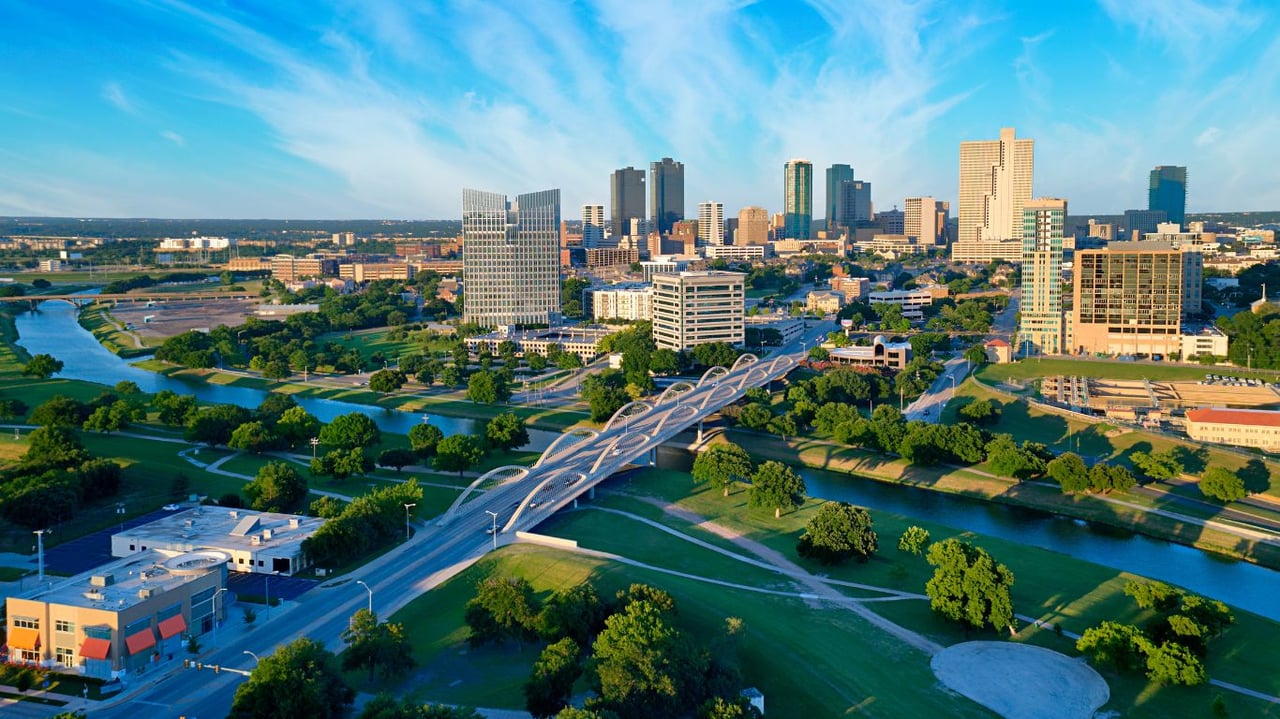
Dallas–Fort Worth Area
Real Estate Guide
Living, Buying, and Investing in DFW
The Dallas–Fort Worth (DFW) area is one of the largest, fastest‑growing metro areas in the United States, consistently ranking among the top regions for population growth, job creation, and new home construction. Spanning multiple counties across North Texas, DFW combines the economic power of a major global business hub with the lifestyle benefits of diverse neighborhoods, strong school districts, and an unmatched range of housing options.
Often referred to as the “Metroplex,” DFW includes Dallas, Fort Worth, and dozens of surrounding cities that offer everything from dense urban living to master‑planned suburban communities and acreage properties. Whether you’re relocating, upsizing, downsizing, or investing, DFW offers flexibility that few metros can match.
Location & Regional Layout
The Dallas–Fort Worth area is centered around Dallas County and Tarrant County, with significant growth spilling into Collin, Denton, Kaufman, Ellis, and Rockwall counties. The metroplex is anchored by two major urban cores—Dallas to the east and Fort Worth to the west—connected by a vast network of highways, employment centers, and suburban cities.
Key highways and transportation corridors include:
Interstate 35E & 35W
Interstate 20
Interstate 30
Interstate 45
U.S. Highway 75 (Central Expressway)
Dallas North Tollway
Sam Rayburn Tollway (SH‑121)
President George Bush Turnpike
Dallas/Fort Worth International Airport (DFW Airport) sits near the geographic center of the metroplex, providing direct access to one of the busiest and most connected airports in the world.
Housing Styles & Price Ranges
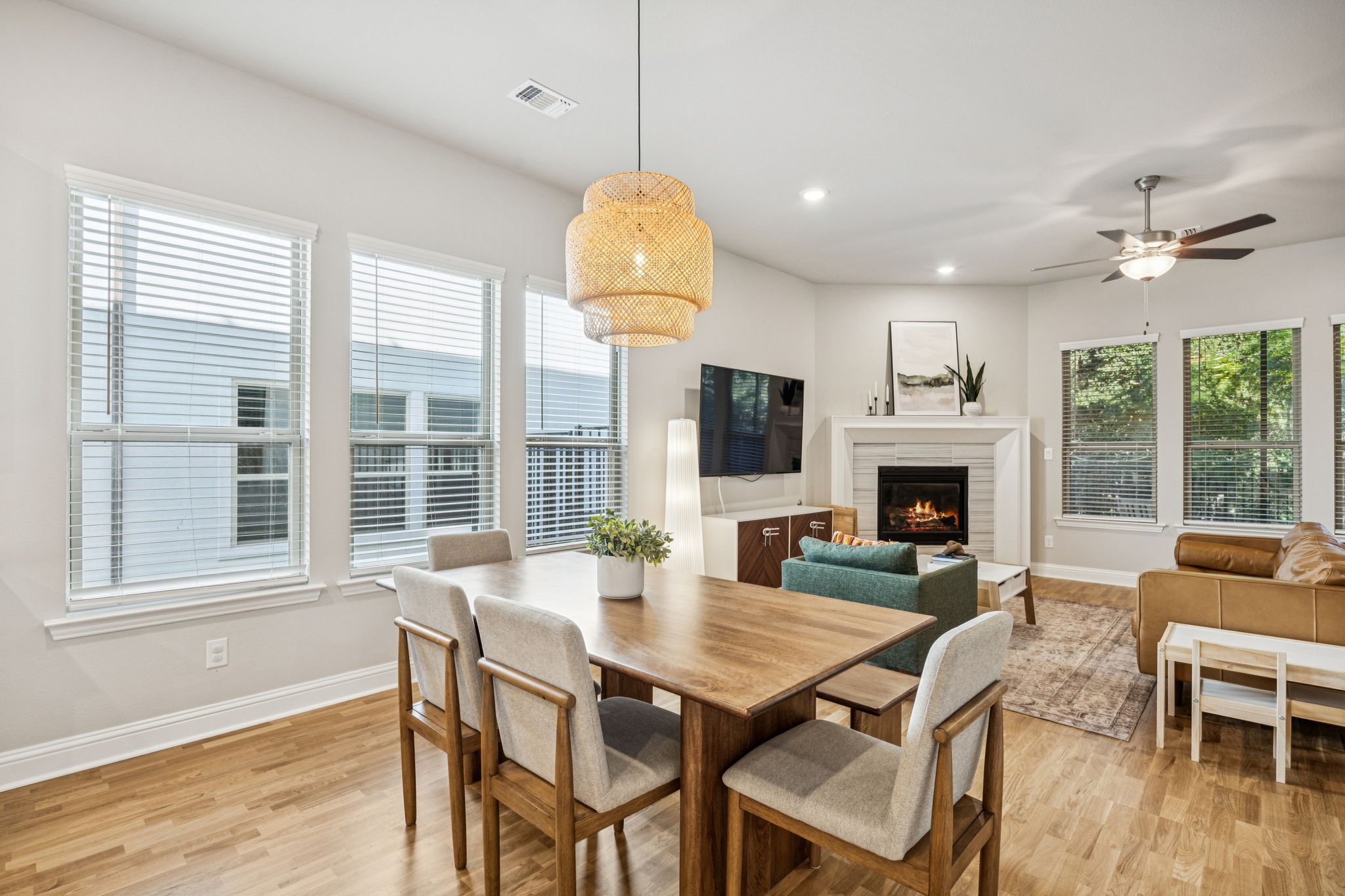
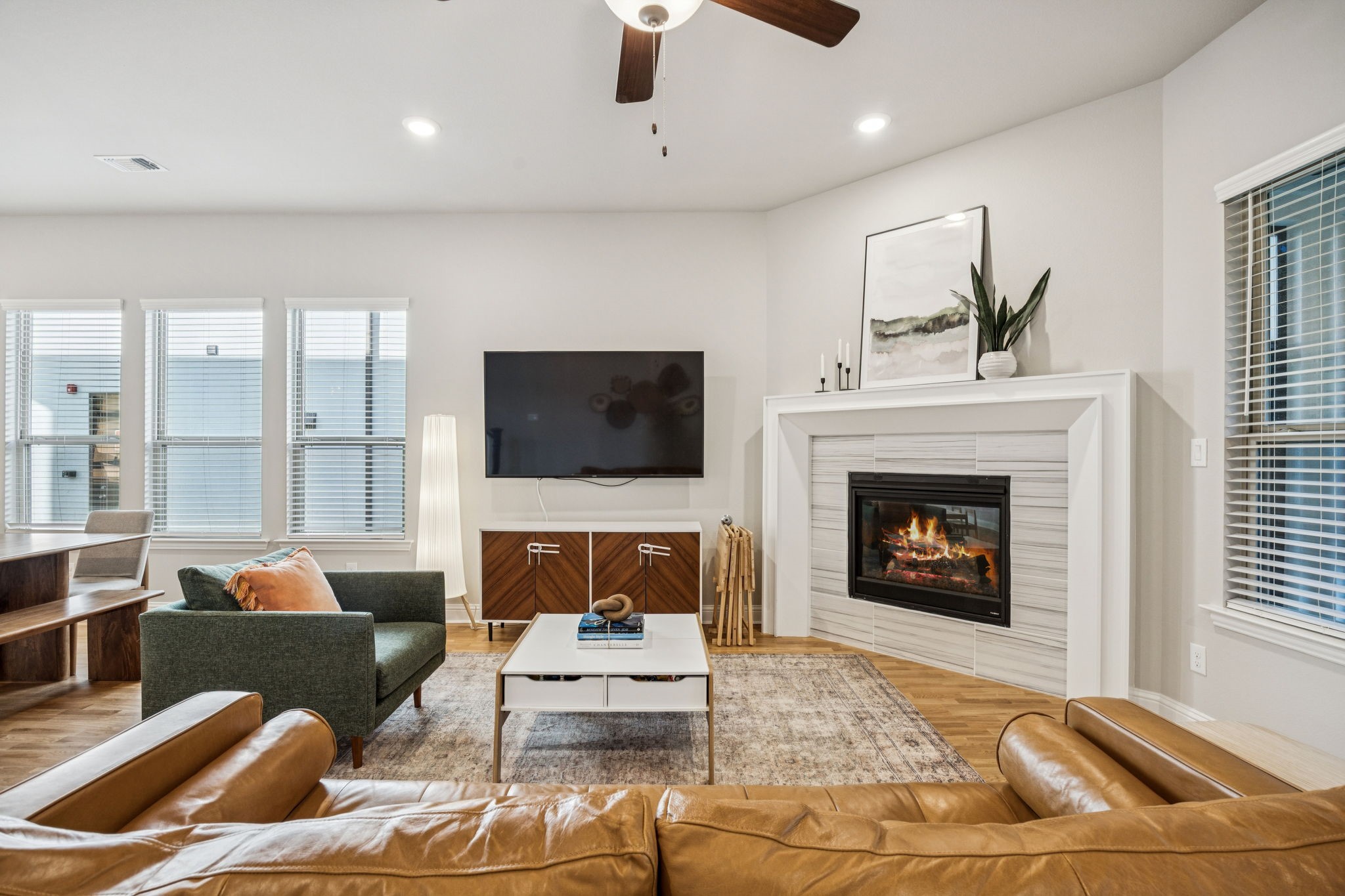
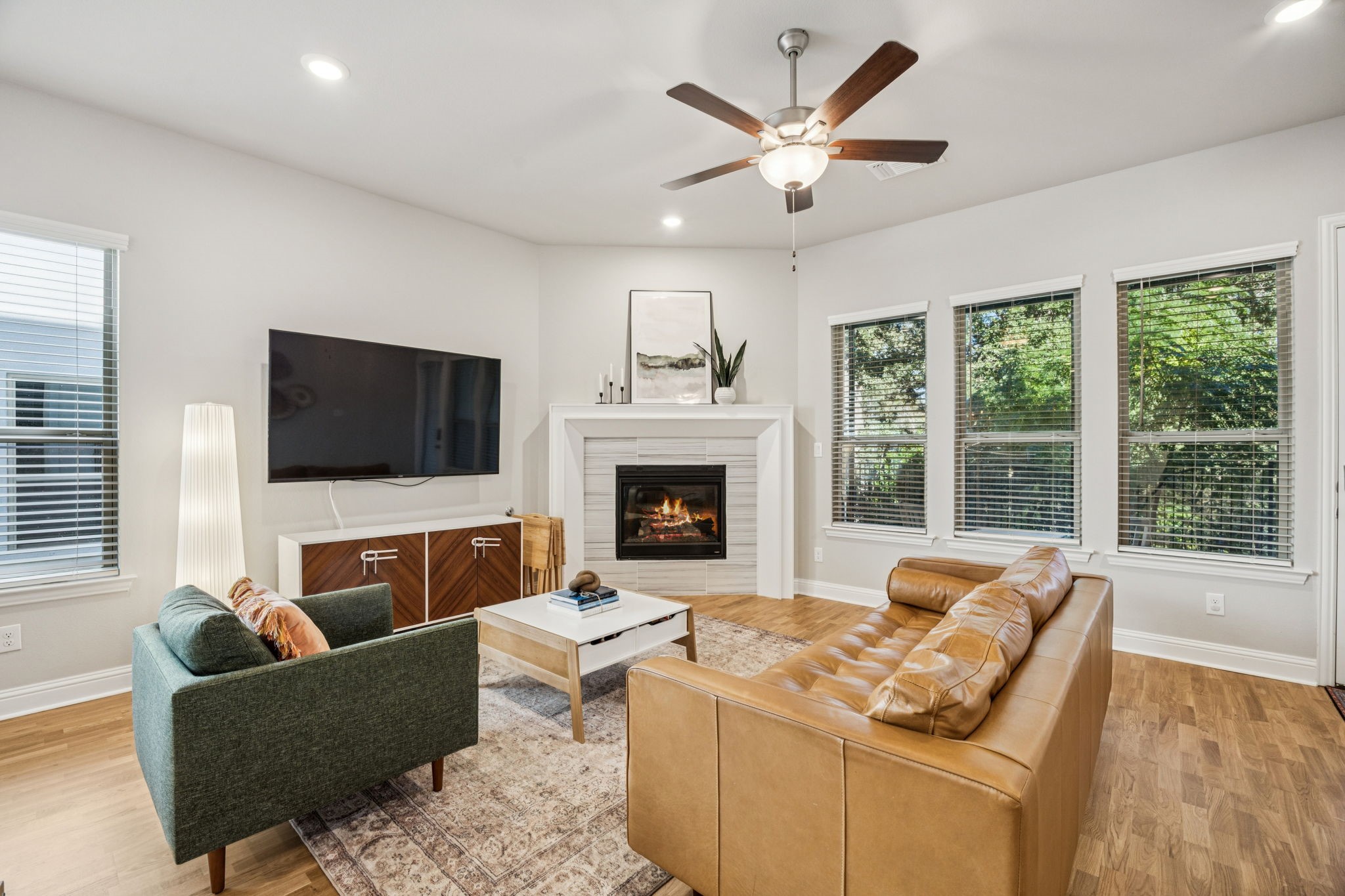
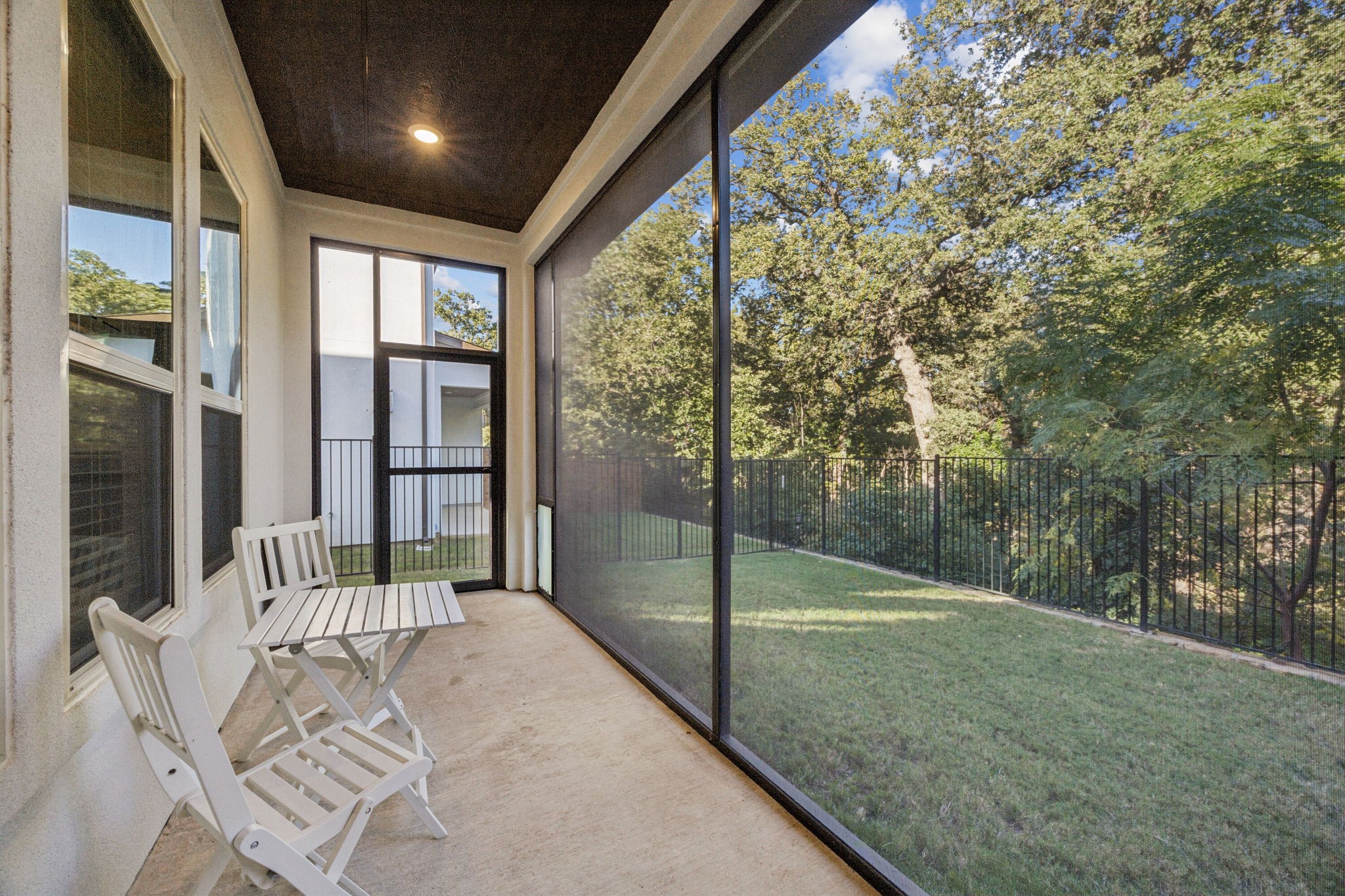
One of DFW’s biggest advantages is the variety of housing options available across the region. Buyers can choose from:
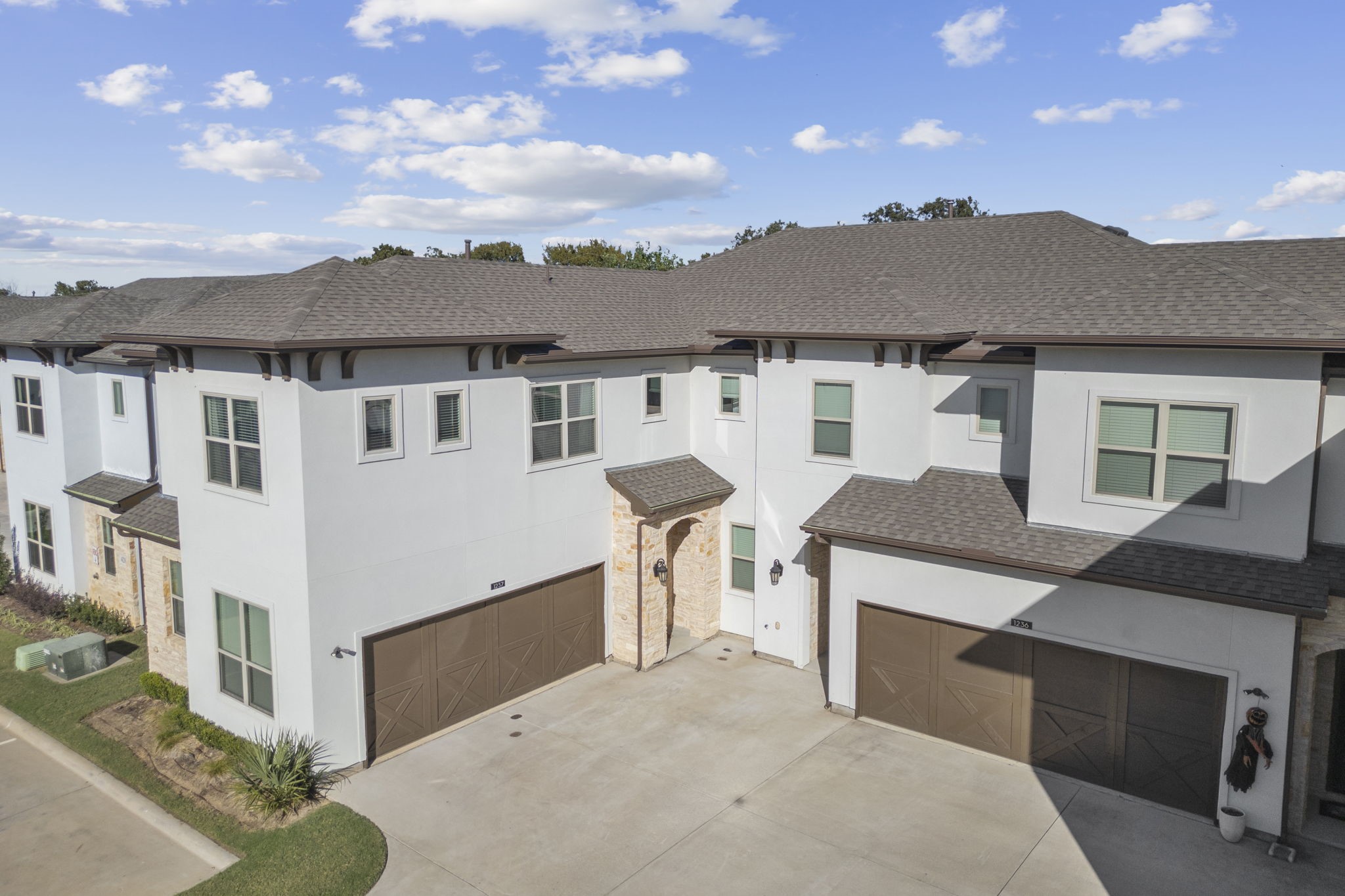
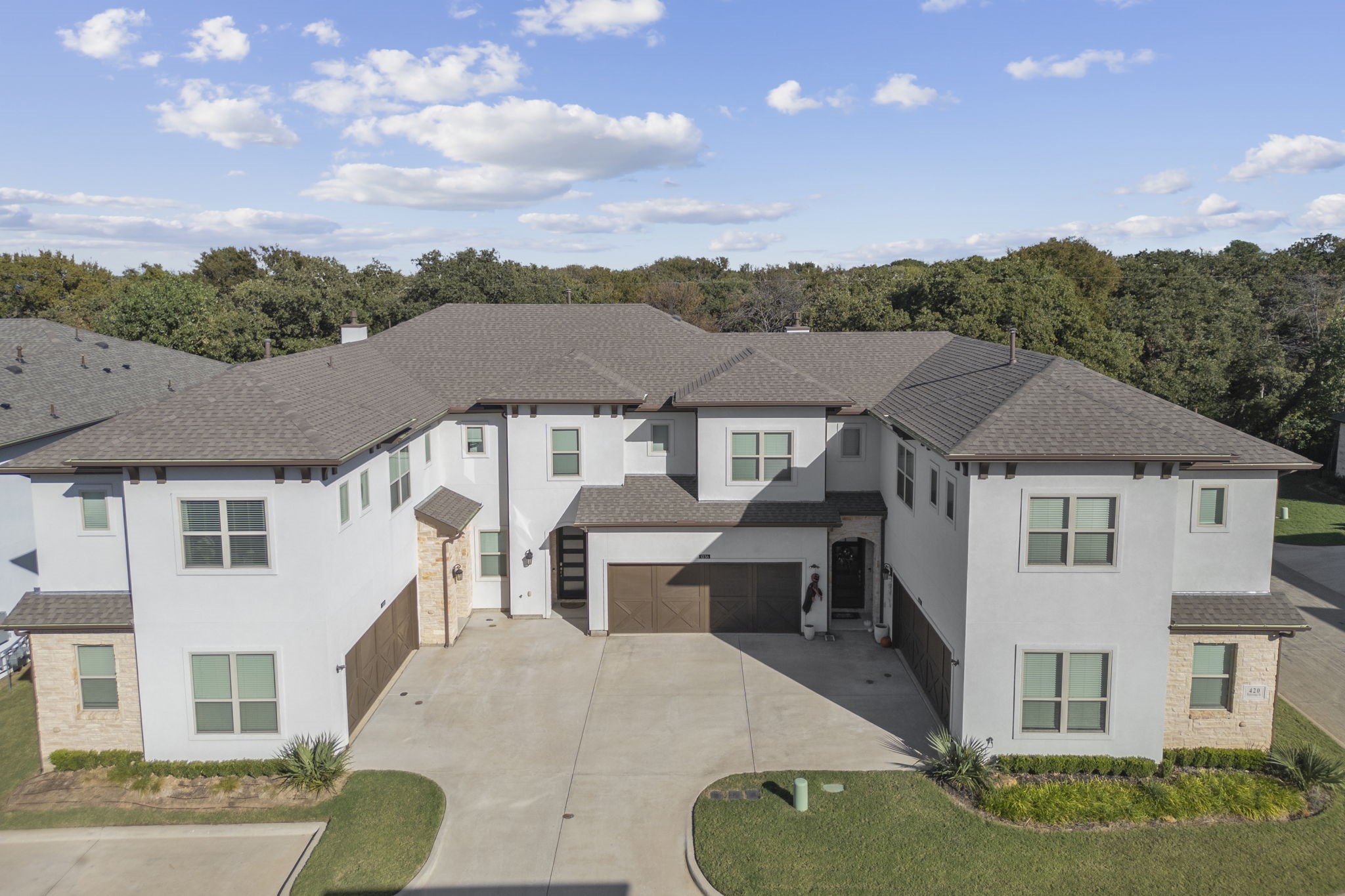
Urban condos and townhomes
Established suburban neighborhoods
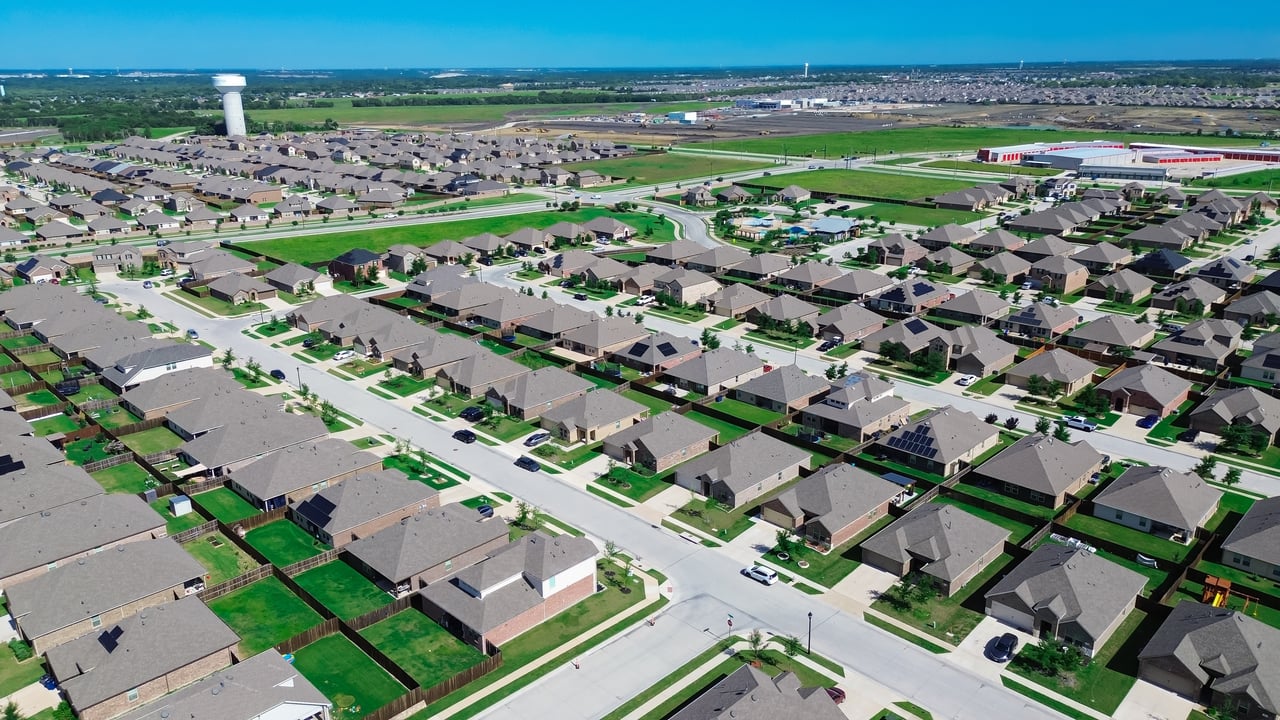
New construction and master‑planned communities
Luxury estates and gated neighborhoods
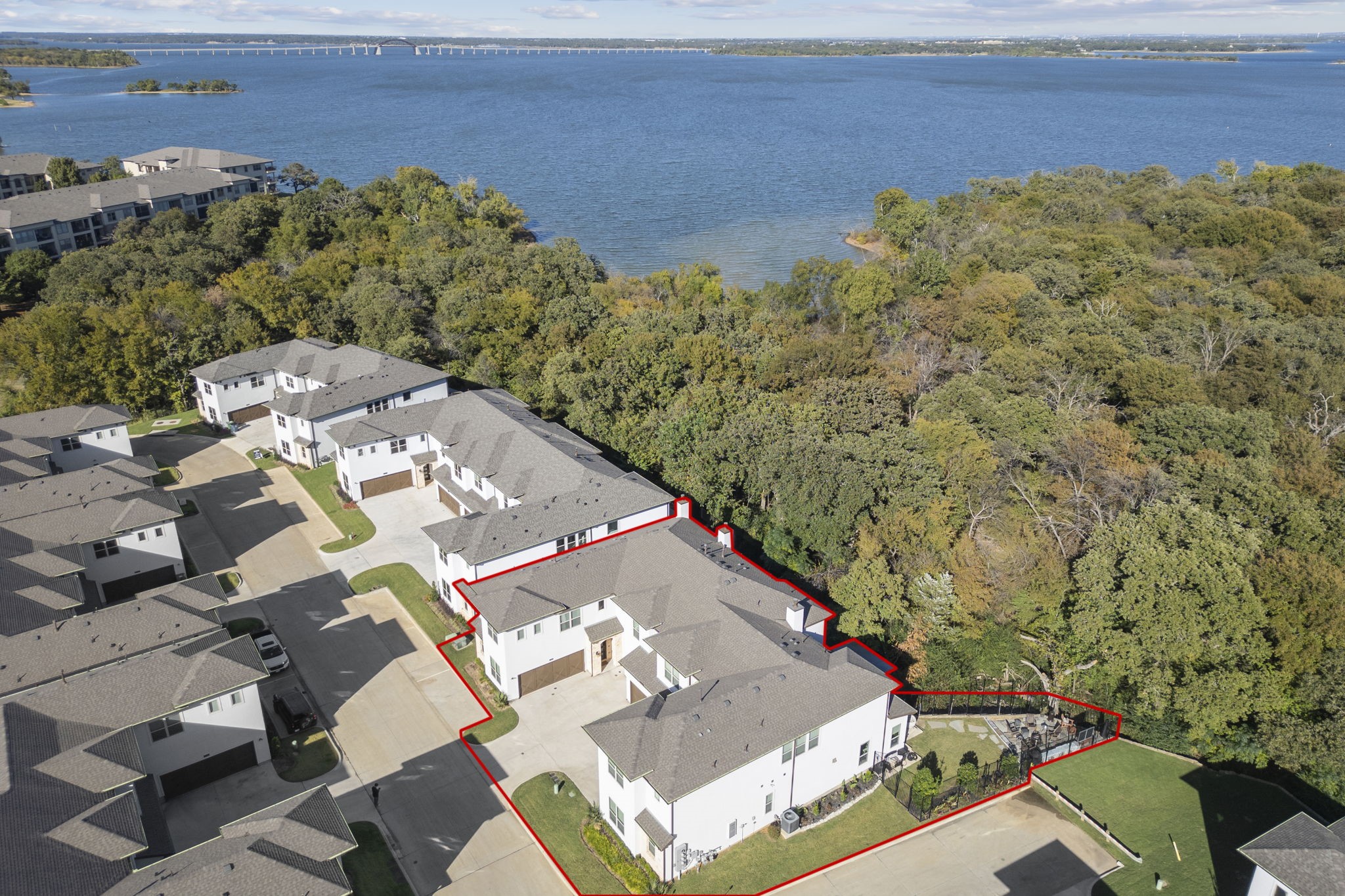
Acreage and semi‑rural properties
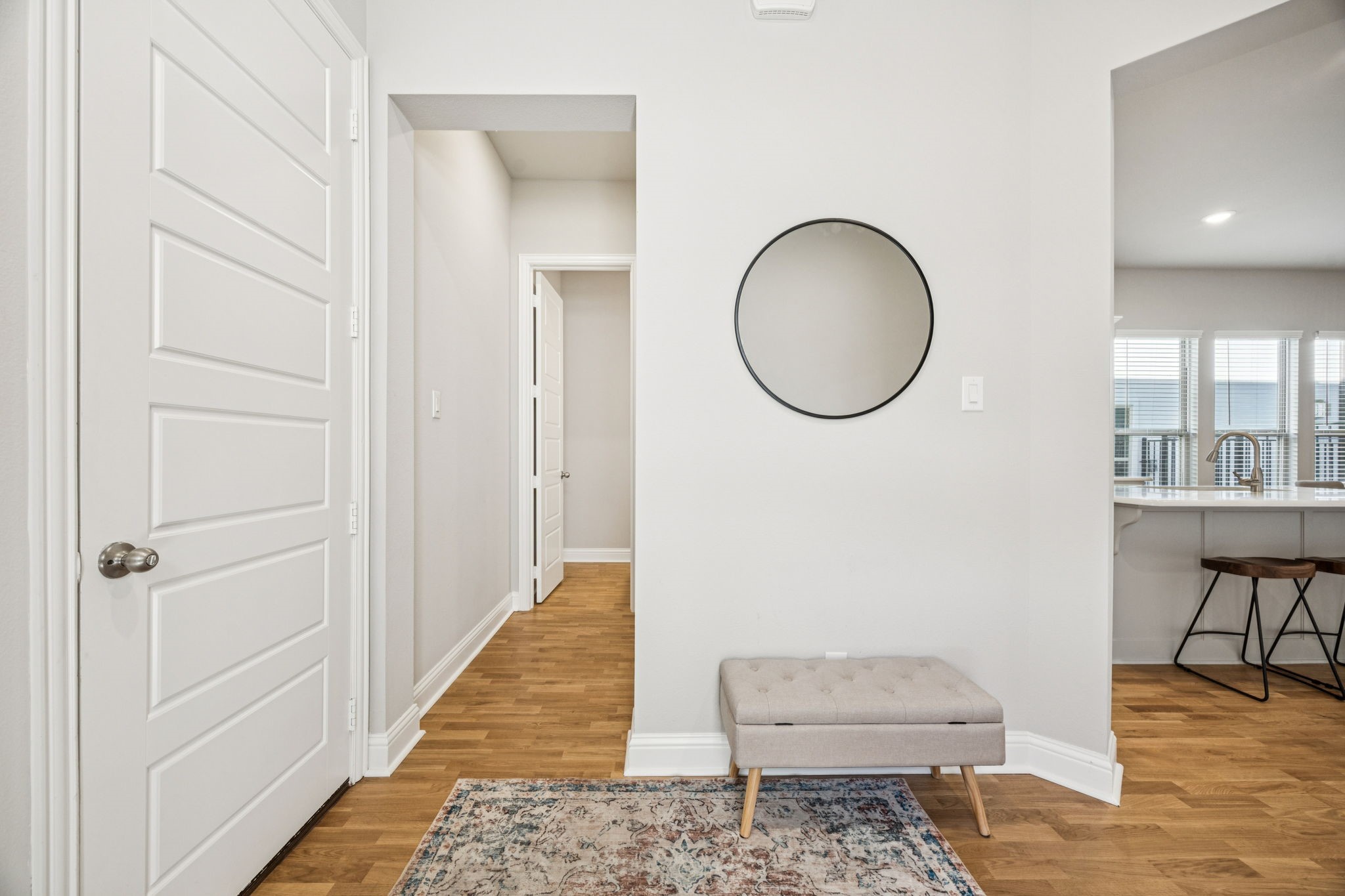
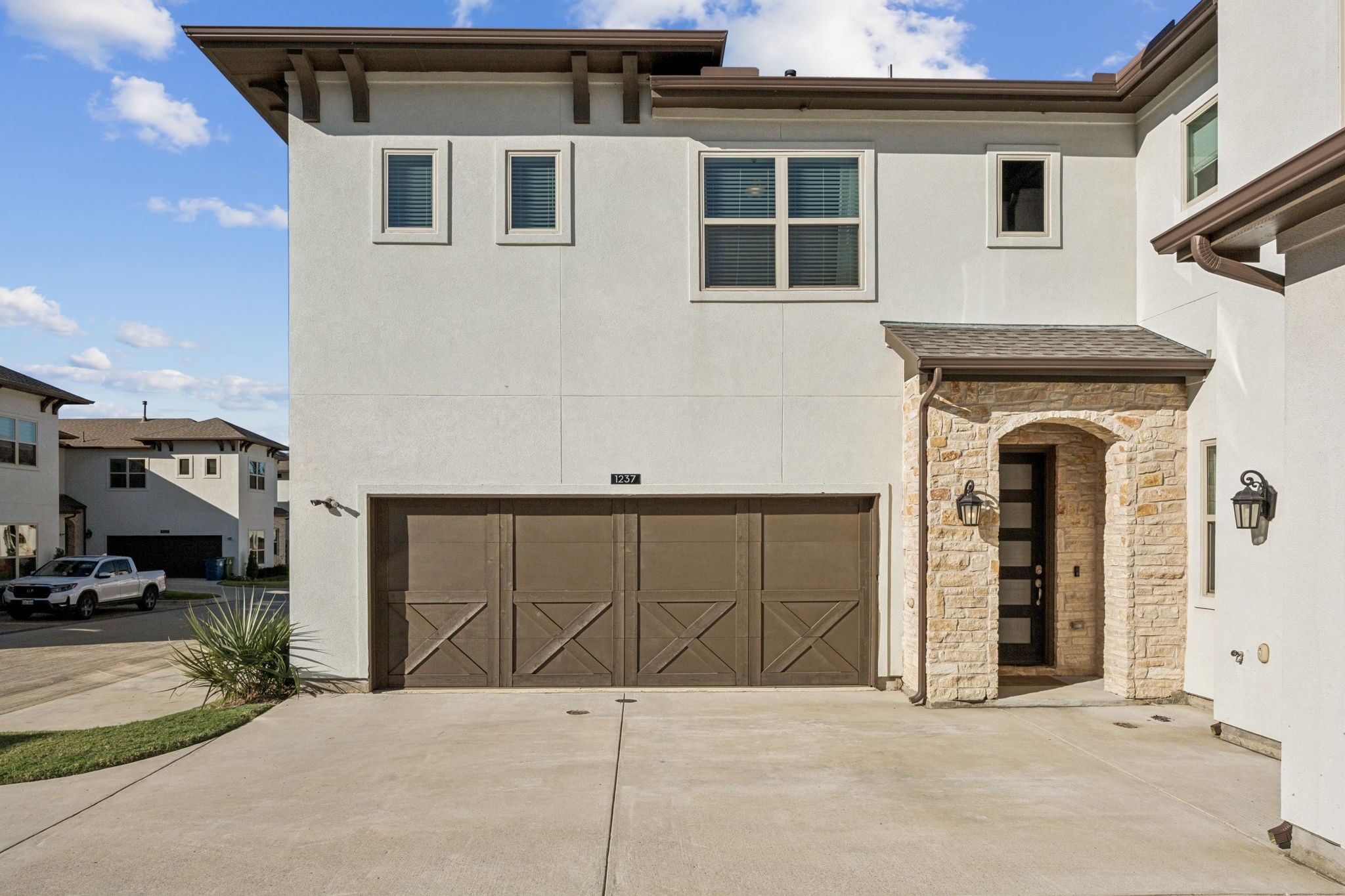
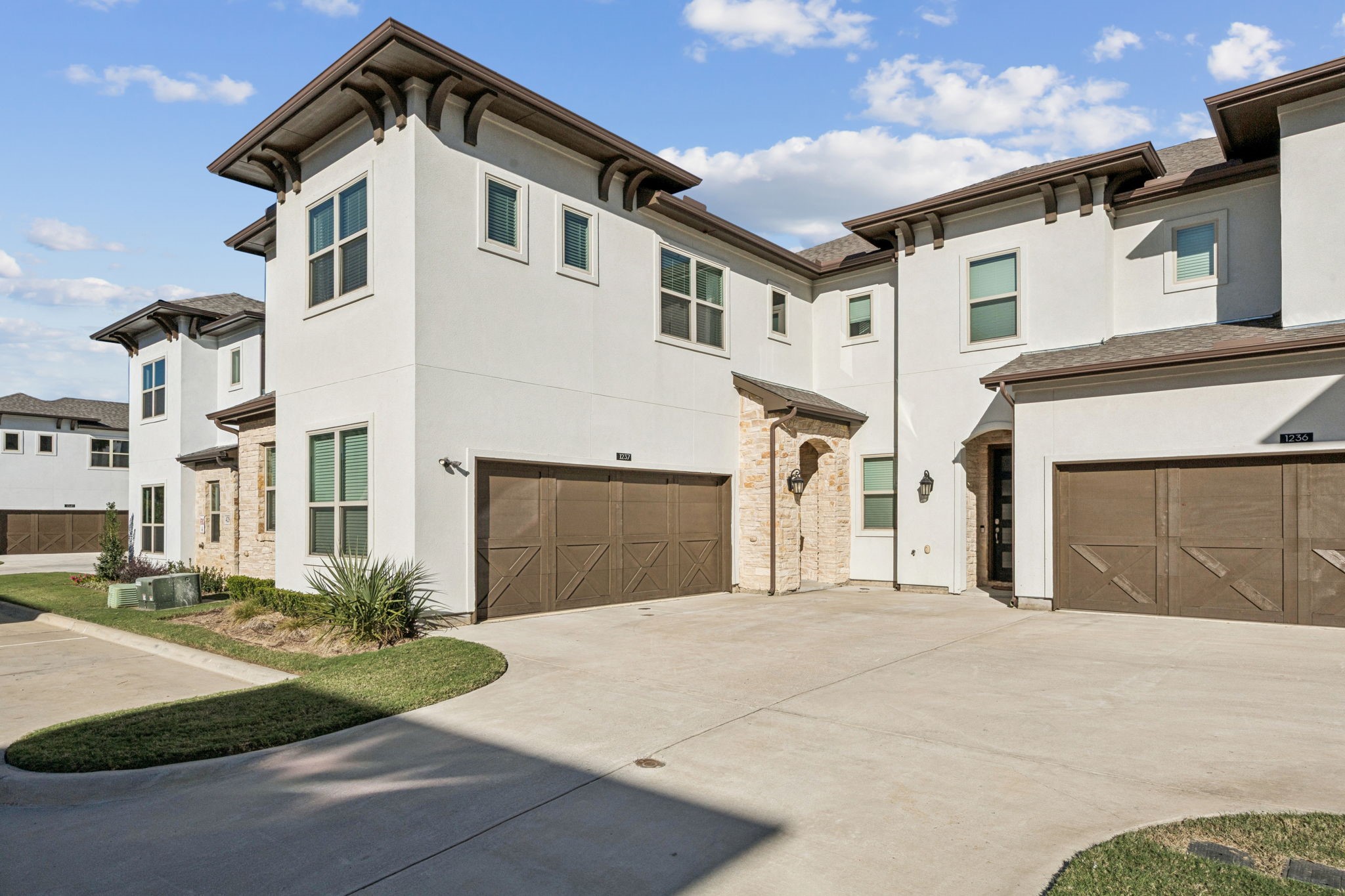
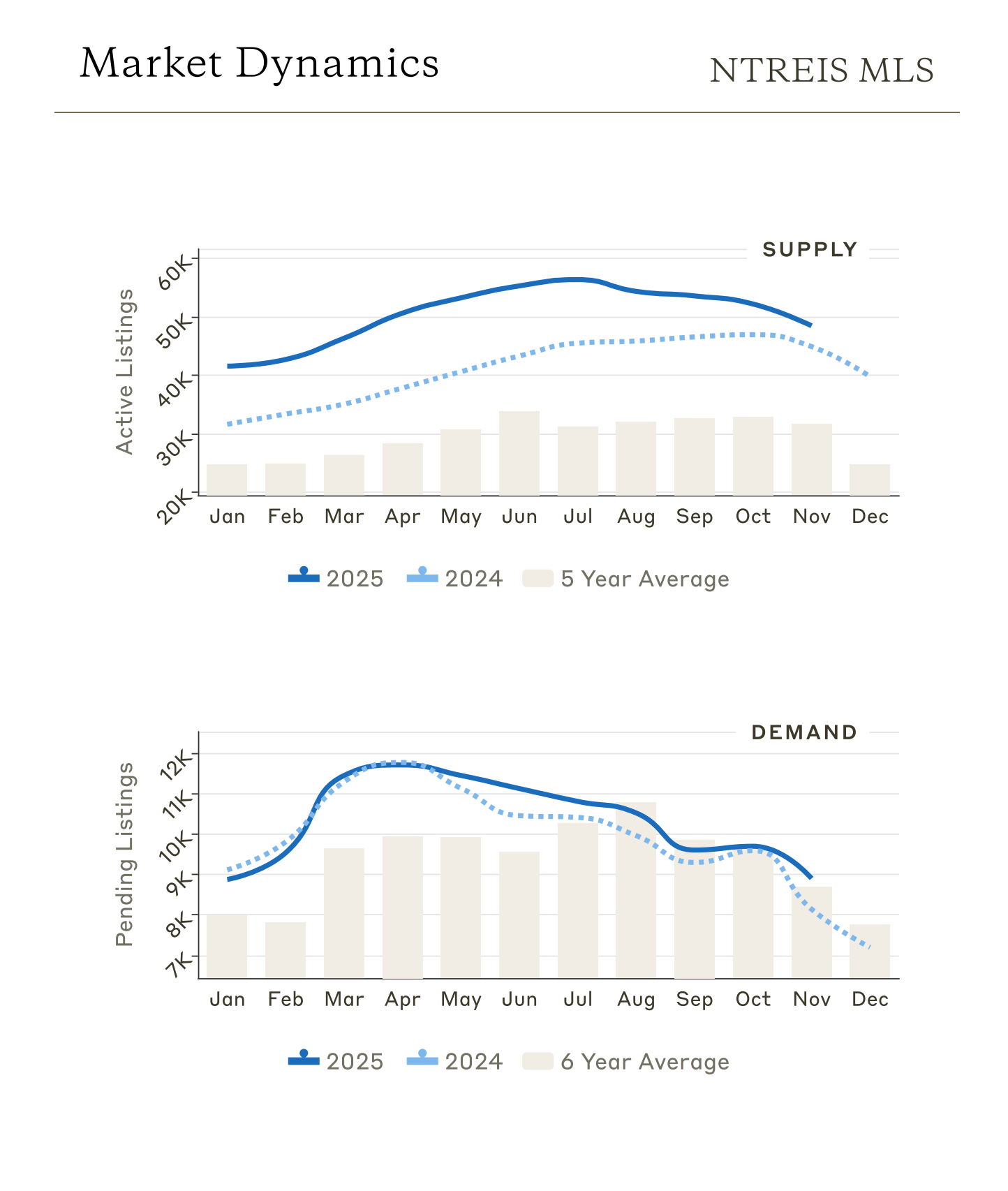
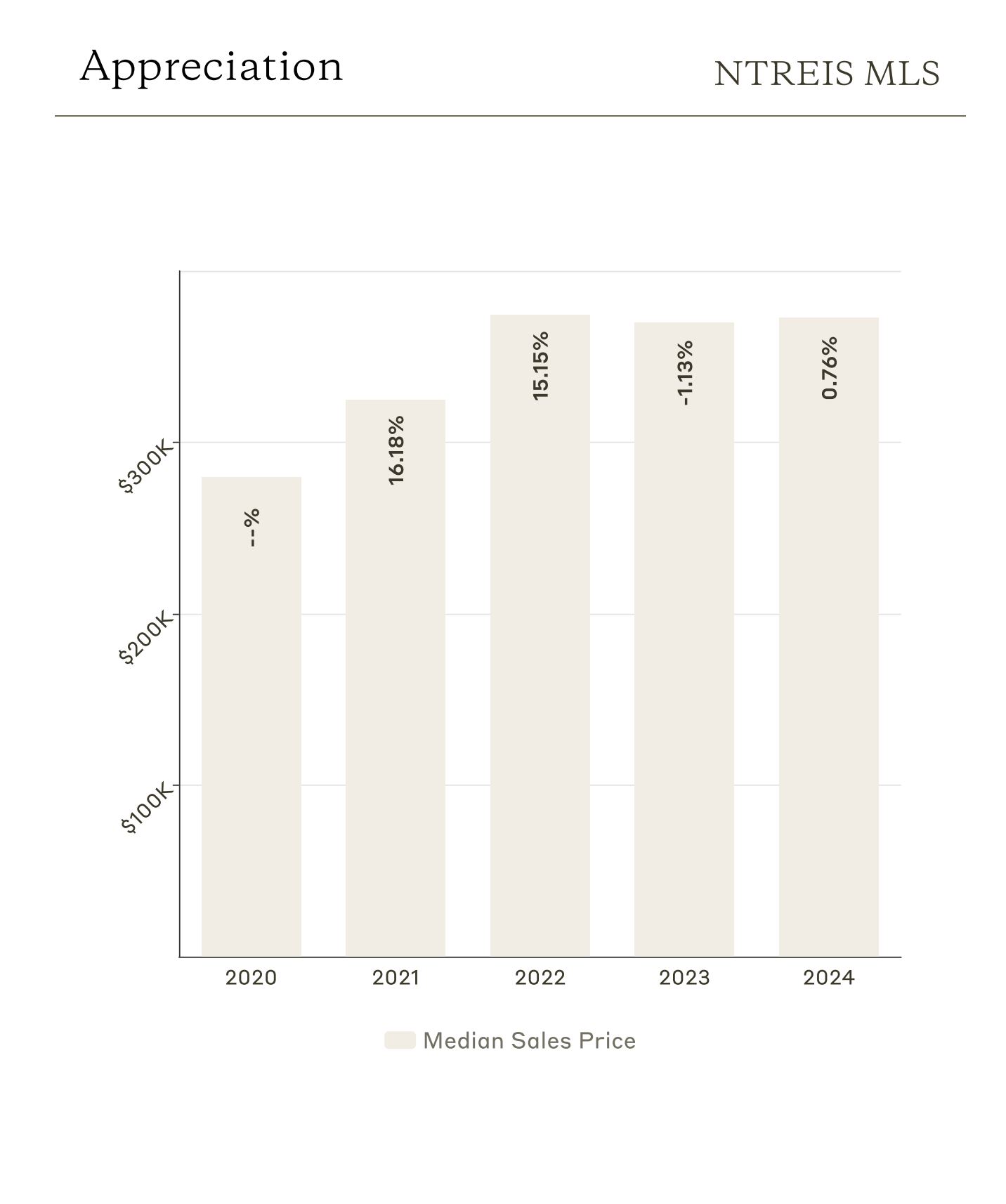
Home prices vary widely depending on location, school district, and housing type. Entry‑level homes can still be found in certain pockets, while luxury markets in cities like Frisco, Prosper, Southlake, Highland Park, and Westlake regularly exceed seven figures. New construction remains a major driver of inventory, especially in Collin and Denton counties.
Schools & Education
The Dallas–Fort Worth area is home to numerous highly regarded public school districts, private schools, and higher education institutions. Popular school districts include:
Frisco ISD
Prosper ISD
Plano ISD
Allen ISD
McKinney ISD
Carroll ISD
Northwest ISD
Argyle ISD
Higher education options include Southern Methodist University (SMU), University of Texas at Dallas (UTD), Texas Christian University (TCU), University of North Texas (UNT), and multiple community college systems.
Employment & Economy
DFW is a major national and international business hub with a diversified economy spanning technology, finance, healthcare, defense, logistics, energy, and manufacturing. The region is home to more Fortune 500 headquarters than any other metro area in Texas.
Major employment centers include:
Legacy West / Legacy Business Park (Plano/Frisco)
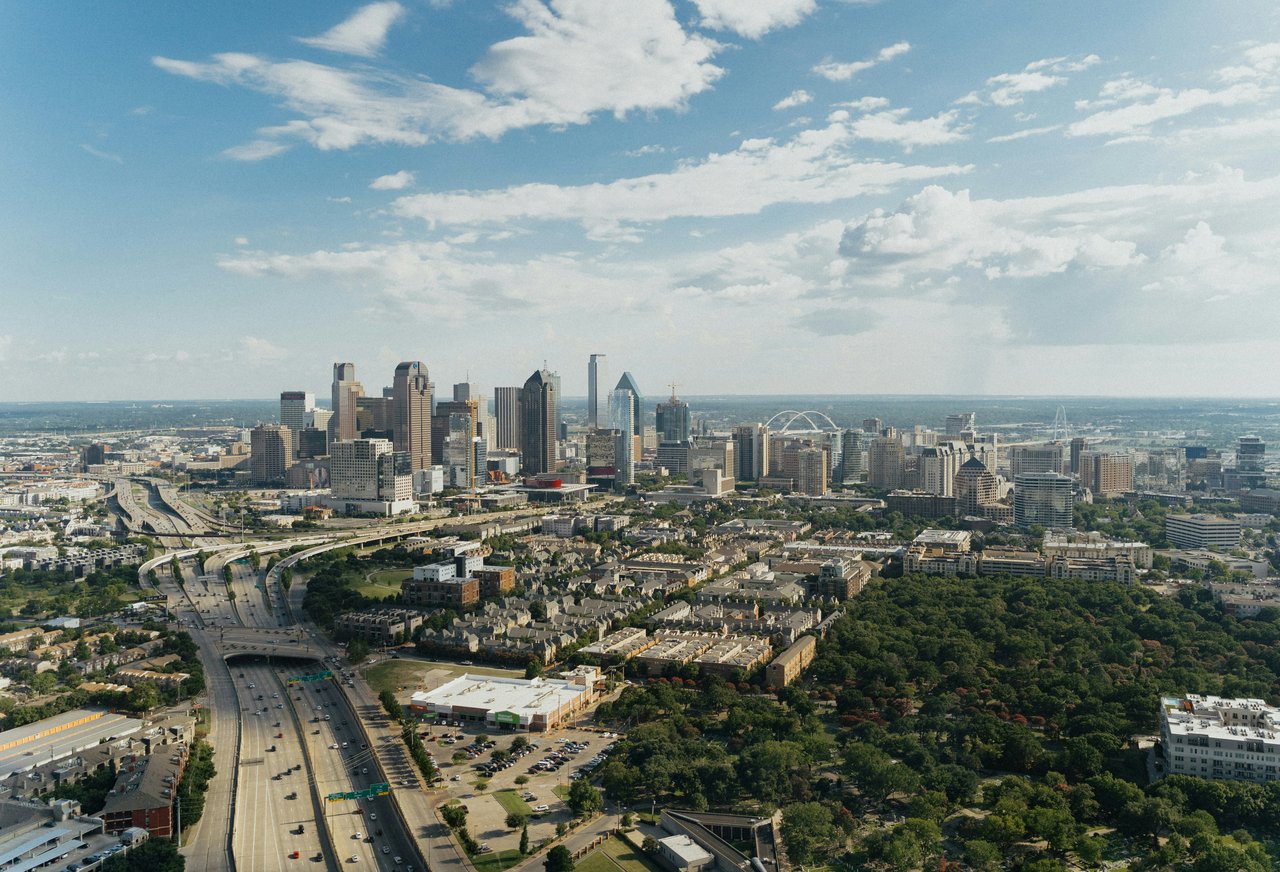
Downtown Dallas
Uptown Dallas
Las Colinas (Irving)
Alliance Corridor (North Fort Worth)
Telecom Corridor (Richardson)
This strong employment base continues to fuel housing demand across the metroplex.
Lifestyle, Dining & Entertainment
Living in DFW means access to world‑class dining, professional sports, arts, and entertainment. Residents enjoy:
Major league sports teams (Cowboys, Mavericks, Stars, Rangers, FC Dallas)
Top‑tier restaurants and chef‑driven concepts
Shopping destinations like Legacy West, Stonebriar Centre, NorthPark Center, and The Shops at Clearfork
Concert venues, museums, and performing arts centers
Outdoor amenities include hundreds of parks, trail systems, lakes (Lewisville, Grapevine, Ray Roberts, and more), and golf courses throughout the region.
Transportation & Commute Times
While DFW is car‑centric, the region offers extensive highway access and expanding public transit options through DART and Trinity Metro. Typical drive times vary based on location, but many residents choose neighborhoods strategically to balance housing cost, school quality, and commute convenience.
Approximate drive times:
Downtown Dallas to DFW Airport: ~25–30 minutes
Frisco to Downtown Dallas: ~35–45 minutes
Fort Worth to Downtown Dallas: ~40–50 minutes
Why People Are Moving to DFW
The Dallas–Fort Worth area continues to attract buyers and businesses due to:
No state income tax
Strong job growth
Business‑friendly environment
Diverse housing options
Highly rated school districts
Central U.S. location with global air access
Whether you’re relocating from out of state or moving within North Texas, DFW offers long‑term stability and opportunity.
Buying or Selling in the Dallas–Fort Worth Area
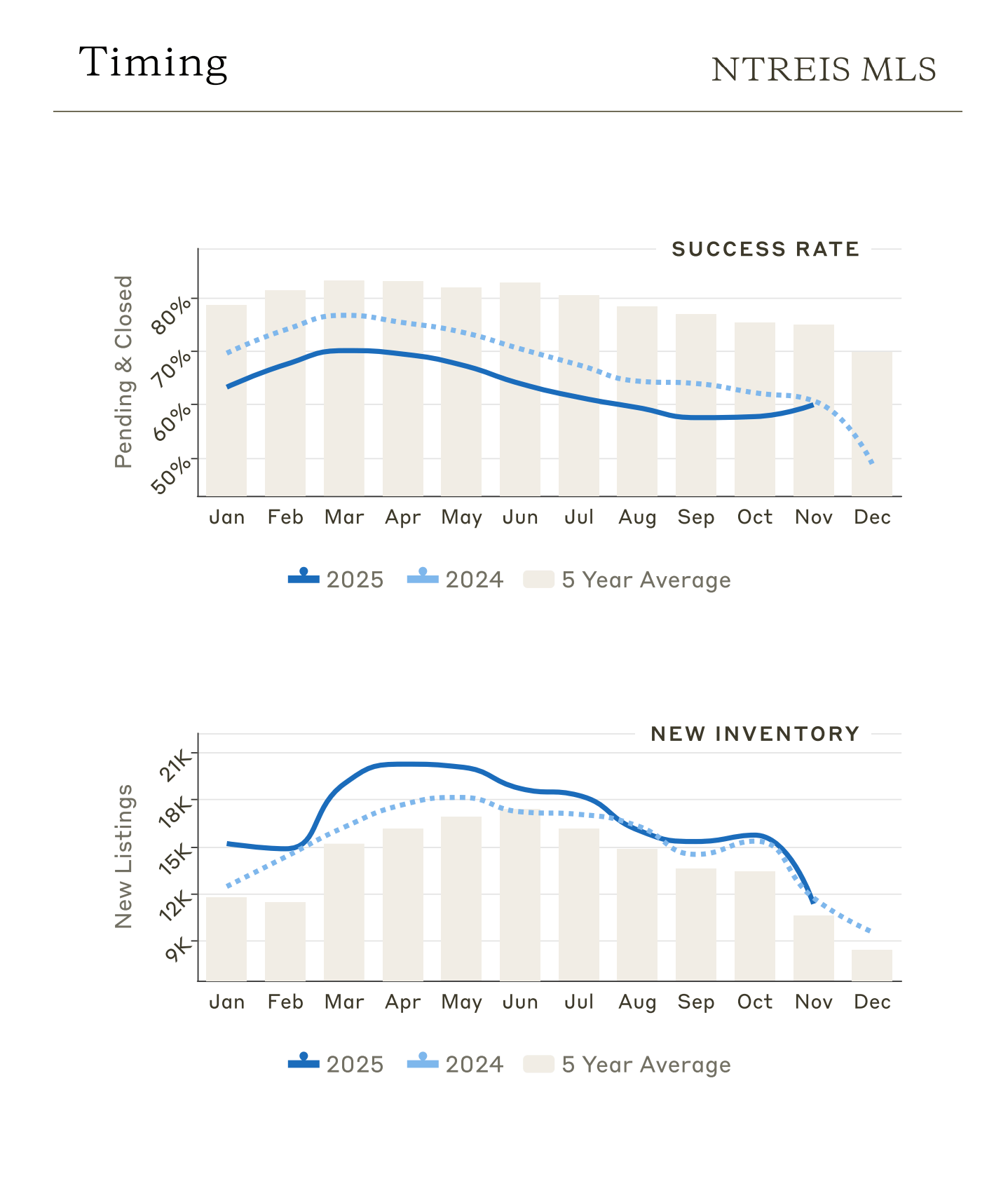
Navigating the Dallas–Fort Worth real estate market requires local expertise, neighborhood‑level insight, and a clear strategy—especially given how different each city and school district can be. Understanding pricing trends, builder incentives, and micro‑market conditions is critical to making the right move.
If you’re considering buying or selling anywhere in the Dallas–Fort Worth area, I’d be happy to help you evaluate your options, compare neighborhoods, and build a plan that fits your goals.
📩 Email: [email protected]
📞 Phone: 254‑644‑5297
Frequently Asked Questions About Living in DFW
How large is the Dallas–Fort Worth metro area?
DFW spans multiple counties and includes over 7 million residents, making it one of the largest metro areas in the U.S.
Is DFW good for families?
Yes. The region offers strong school districts, family‑friendly neighborhoods, parks, and community amenities.
Are there new construction homes available in DFW?
Yes. DFW is one of the top new‑construction markets in the country, especially in Collin and Denton counties.
How competitive is the DFW housing market?
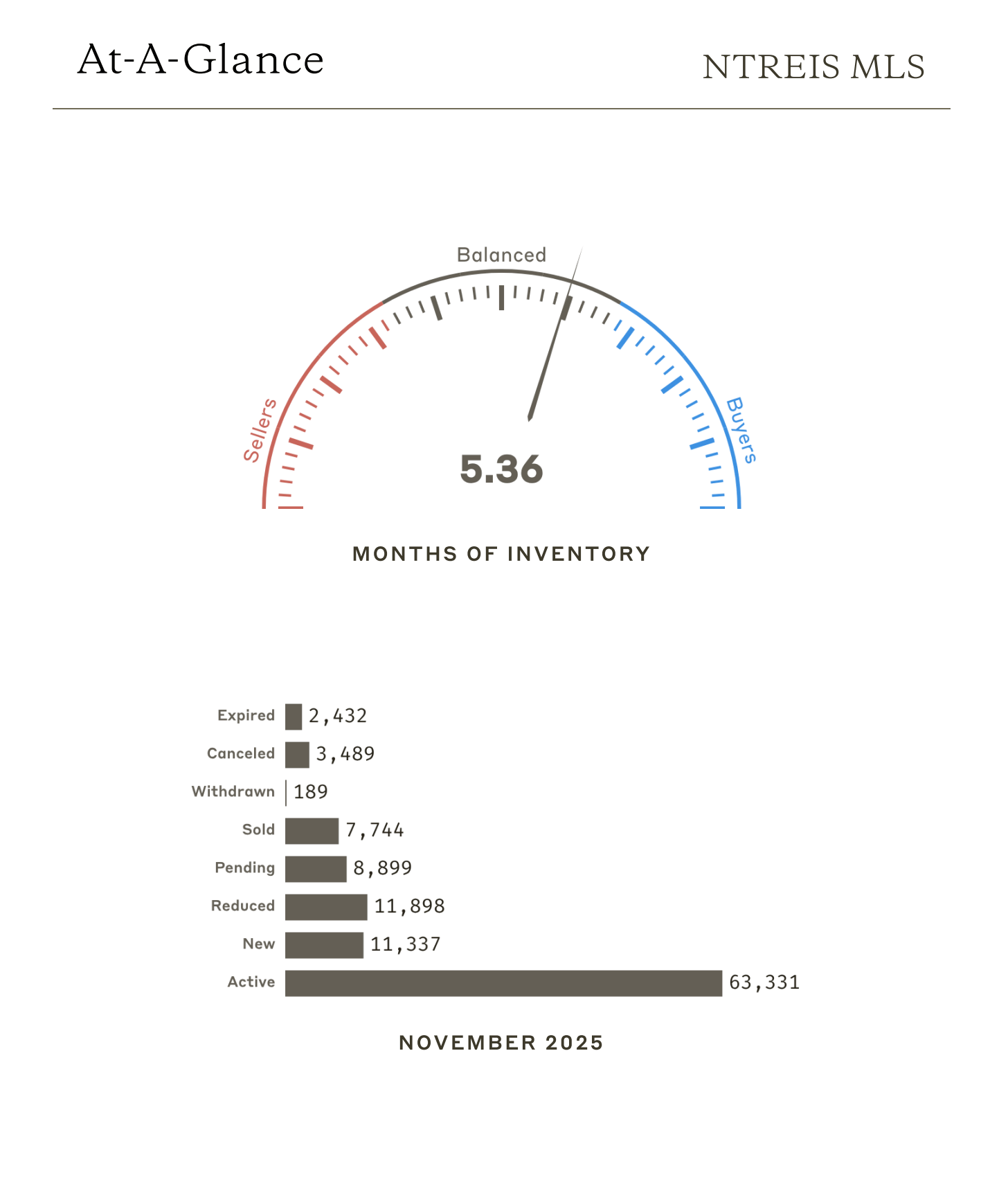
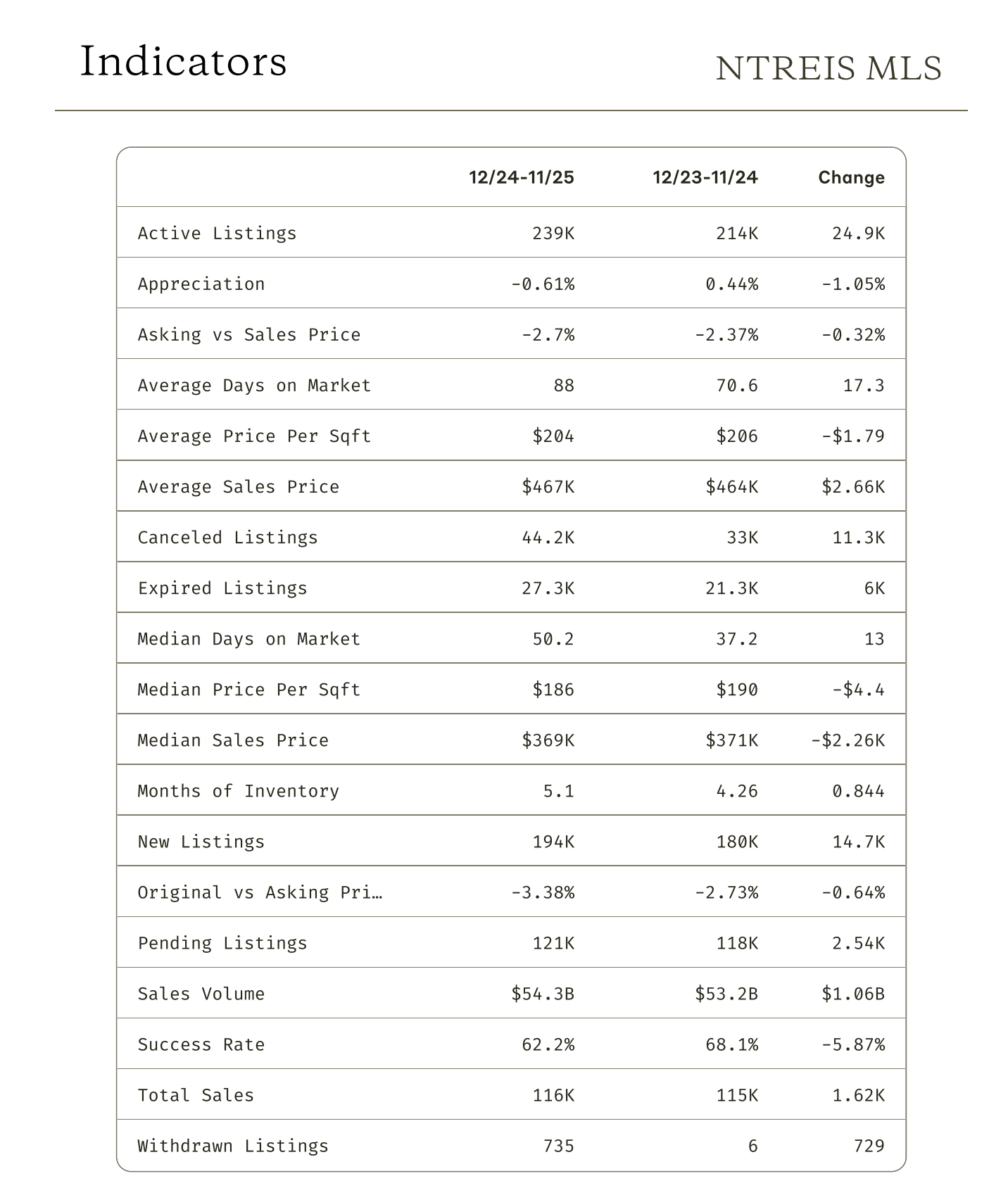
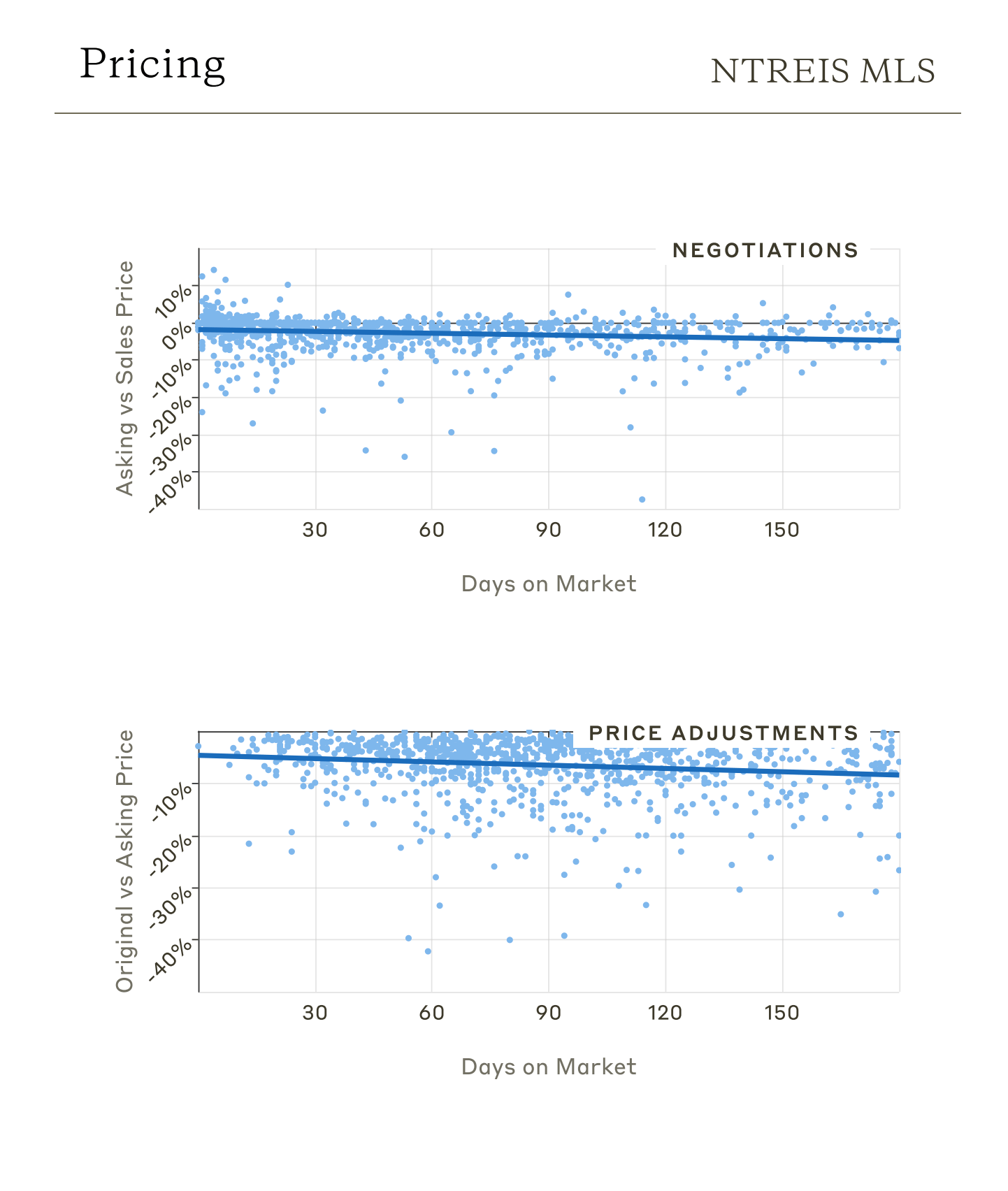
Market conditions vary by city and price point. Some areas remain competitive, while others offer strong negotiation opportunities, especially with new builds.
Counties
Dallas–Fort Worth Area Real Estate GuideLiving, Buying, and Investing in DFWThe Dallas–Fort Worth (DFW) area is one of the largest, fastest‑growing metro areas in the United States, consistently ranking among the top regions for population growth, job creation, and new home construction. Spanning multiple counties across North Texas, DFW combines the economic power of a major global business hub with the lifestyle benefits of diverse neighborhoods, strong school districts, and an unmatched range of housing options.
Often referred to as the “Metroplex,” DFW includes Dallas, Fort Worth, and dozens of surrounding cities that offer everything from dense urban living to master‑planned suburban communities and acreage properties. Whether you’re relocating, upsizing, downsizing, or investing, DFW offers flexibility that few metros can match.
Location & Regional LayoutThe Dallas–Fort Worth area is centered around Dallas County and Tarrant County, with significant growth spilling into Collin, Denton, Kaufman, Ellis, and Rockwall counties. The metroplex is anchored by two major urban cores—Dallas to the east and Fort Worth to the west—connected by a vast network of highways, employment centers, and suburban cities.
Key highways and transportation corridors include:
Interstate 35E & 35W
Interstate 20
Interstate 30
Interstate 45
U.S. Highway 75 (Central Expressway)
Dallas North Tollway
Sam Rayburn Tollway (SH‑121)
President George Bush Turnpike
Dallas/Fort Worth International Airport (DFW Airport) sits near the geographic center of the metroplex, providing direct access to one of the busiest and most connected airports in the world.
Housing Styles & Price RangesOne of DFW’s biggest advantages is the variety of housing options available across the region. Buyers can choose from:
Urban condos and townhomes
Established suburban neighborhoods
New construction and master‑planned communities
Luxury estates and gated neighborhoods
Acreage and semi‑rural properties
Home prices vary widely depending on location, school district, and housing type. Entry‑level homes can still be found in certain pockets, while luxury markets in cities like Frisco, Prosper, Southlake, Highland Park, and Westlake regularly exceed seven figures. New construction remains a major driver of inventory, especially in Collin and Denton counties.
Schools & EducationThe Dallas–Fort Worth area is home to numerous highly regarded public school districts, private schools, and higher education institutions. Popular school districts include:
Frisco ISD
Prosper ISD
Plano ISD
Allen ISD
McKinney ISD
Carroll ISD
Northwest ISD
Argyle ISD
Higher education options include Southern Methodist University (SMU), University of Texas at Dallas (UTD), Texas Christian University (TCU), University of North Texas (UNT), and multiple community college systems.
Employment & EconomyDFW is a major national and international business hub with a diversified economy spanning technology, finance, healthcare, defense, logistics, energy, and manufacturing. The region is home to more Fortune 500 headquarters than any other metro area in Texas.
Major employment centers include:
Legacy West / Legacy Business Park (Plano/Frisco)
Downtown Dallas
Uptown Dallas
Las Colinas (Irving)
Alliance Corridor (North Fort Worth)
Telecom Corridor (Richardson)
This strong employment base continues to fuel housing demand across the metroplex.
Lifestyle, Dining & EntertainmentLiving in DFW means access to world‑class dining, professional sports, arts, and entertainment. Residents enjoy:
Major league sports teams (Cowboys, Mavericks, Stars, Rangers, FC Dallas)
Top‑tier restaurants and chef‑driven concepts
Shopping destinations like Legacy West, Stonebriar Centre, NorthPark Center, and The Shops at Clearfork
Concert venues, museums, and performing arts centers
Outdoor amenities include hundreds of parks, trail systems, lakes (Lewisville, Grapevine, Ray Roberts, and more), and golf courses throughout the region.
Transportation & Commute TimesWhile DFW is car‑centric, the region offers extensive highway access and expanding public transit options through DART and Trinity Metro. Typical drive times vary based on location, but many residents choose neighborhoods strategically to balance housing cost, school quality, and commute convenience.
Approximate drive times:
Downtown Dallas to DFW Airport: ~25–30 minutes
Frisco to Downtown Dallas: ~35–45 minutes
Fort Worth to Downtown Dallas: ~40–50 minutes
Why People Are Moving to DFWThe Dallas–Fort Worth area continues to attract buyers and businesses due to:
No state income tax
Strong job growth
Business‑friendly environment
Diverse housing options
Highly rated school districts
Central U.S. location with global air access
Whether you’re relocating from out of state or moving within North Texas, DFW offers long‑term stability and opportunity.
Buying or Selling in the Dallas–Fort Worth AreaNavigating the Dallas–Fort Worth real estate market requires local expertise, neighborhood‑level insight, and a clear strategy—especially given how different each city and school district can be. Understanding pricing trends, builder incentives, and micro‑market conditions is critical to making the right move.
If you’re considering buying or selling anywhere in the Dallas–Fort Worth area, I’d be happy to help you evaluate your options, compare neighborhoods, and build a plan that fits your goals.
📩 Email:
[email protected]
📞 Phone: 254‑644‑5297
Frequently Asked Questions About Living in DFWHow large is the Dallas–Fort Worth metro area?
DFW spans multiple counties and includes over 7 million residents, making it one of the largest metro areas in the U.S.
Is DFW good for families?
Yes. The region offers strong school districts, family‑friendly neighborhoods, parks, and community amenities.
Are there new construction homes available in DFW?
Yes. DFW is one of the top new‑construction markets in the country, especially in Collin and Denton counties.
How competitive is the DFW housing market?
Market conditions vary by city and price point. Some areas remain competitive, while others offer strong negotiation opportunities, especially with new builds.CountiesCollin CountyDenton CountyDallas CountyTarrant CountyRockwall County